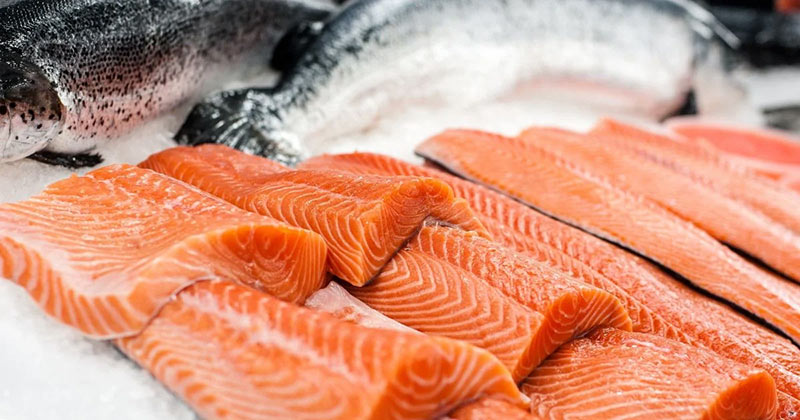
Dogs can eat salmon, but it needs to be properly prepared and fed in moderation. Salmon is a nutritious food for dogs, rich in protein, fatty acids, and various vitamins, which help promote the health of a dog’s skin and coat.
Nutritional value of salmon for dogs:
Salmon is high in protein and low in fat, containing unsaturated fatty acids such as EPA, DHA, Omega-6, and Omega-3. These nutrients contribute to the health of a dog’s coat, preventing dryness and split ends, making the coat shinier and healthier.
How to safely feed salmon to dogs:
- Preparation:
- Cook thoroughly: Cook the salmon, remove bones and skin, and cut it into appropriately sized pieces to ensure your dog can easily digest and absorb the nutrients.
- Freeze: If you choose to feed raw fish, ensure the salmon has been frozen for 72 hours to kill parasites and bacteria.
- Moderation: Salmon is a high-fat food, and overfeeding can lead to obesity or pancreatitis. Feed salmon in moderation, based on your dog’s weight and age, to ensure a balanced diet.
- Monitor for reactions: If it’s your dog’s first time trying salmon, start with a small amount and observe for any allergic reactions.
By following these guidelines, you can ensure that your dog safely enjoys the nutritional benefits of salmon.