
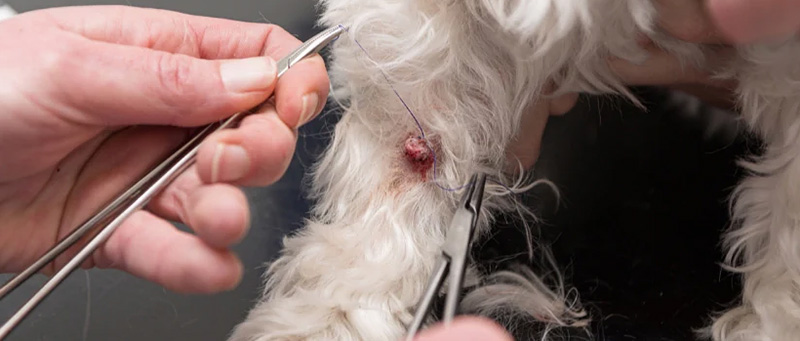
Understanding Dog Skin Tags: A Complete Guide for Worried Pet Parents
When you discover a skin tag on your dog, it’s natural to feel concerned. As a veterinary dermatology specialist, I’ve helped countless pet parents navigate the worry and confusion surrounding these common growths. Let me share what every dog owner needs to know about skin tags, drawing from my 15 years of experience in pet dermatology.
What Exactly Is a Dog Skin Tag?
A skin tag (or acrochordons in medical terms) is a small, fleshy growth that protrudes from your dog’s skin. Usually soft and moveable, these benign growths can appear anywhere on your dog’s body but are most commonly found in areas where the skin folds or experiences friction.
A Tale of Reassurance: Max’s Story
I’ll never forget Max, a loving 8-year-old Golden Retriever, whose owner Sarah discovered several skin tags during their evening cuddle session. She rushed into my clinic the next morning, terrified they might be something serious. After a thorough examination, I was able to reassure her that Max’s growths were completely benign skin tags – a normal part of aging for many dogs. Today, Max continues to live his best life, skin tags and all, with a much more relaxed Sarah by his side.
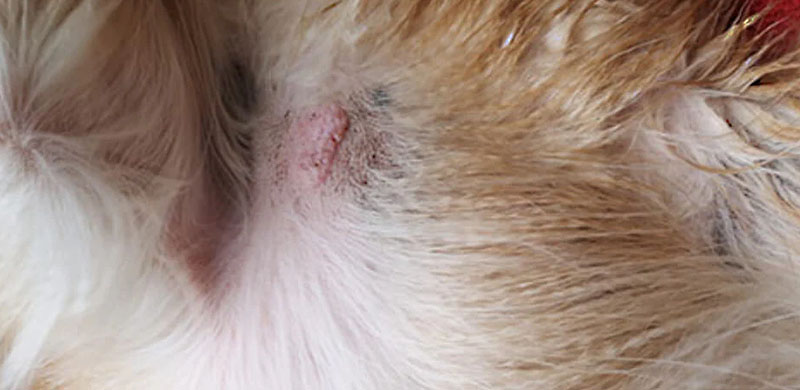
When you spot Most Common Dog Skin Tags on your dog, don’t worry – most of them are harmless skin growths.
Common Causes of Dog Skin Tags
Several factors can contribute to the development of skin tags in dogs:
- Age: More common in middle-aged and senior dogs
- Genetics: Some breeds are more prone to developing them
- Friction: Often appears in areas where skin rubs against skin or collar
- Weight: More common in overweight dogs
- Hormonal changes: Can increase during certain life stages
When Should You Be Concerned About a Dog Skin Tag?
Most skin tags are harmless, but there are times when you should seek veterinary attention:(If you want to learn more about “dog skin tag,” you can visit https://www.petmd.com/dog/conditions/skin/skin-tags-dogs)
Normal Dog Skin Tag Signs
- Small, flesh-colored growths
- Soft and moveable
- No change in size or appearance
- No discomfort when touched
- Normal skin color
Warning Signs That Need Veterinary Attention
- Rapid growth or changes in size
- Bleeding or discharge
- Color changes
- Signs of pain or irritation
- Multiple new growths appearing suddenly
Professional Treatment Options
While most dog skin tags don’t require treatment, there are several options available when removal is necessary:
- Surgical excision under local anesthesia
- Cryotherapy (freezing)
- Laser removal
- Ligation (for larger tags)
Home Care and Prevention
While you can’t prevent all dog skin tags, there are steps to minimize their occurrence:
- Maintain a healthy weight
- Regular grooming to spot new growths early
- Keep skin folds clean and dry
- Choose properly fitted collars and harnesses
- Regular veterinary check-ups
The Importance of Professional Diagnosis
This is crucial: never attempt to remove a skin tag at home. What looks like a simple skin tag could be something else entirely. Always consult your veterinarian for proper diagnosis and treatment options.
Long-term Management
Living with a dog who has skin tags doesn’t have to be stressful. Here’s what I recommend to my clients:
- Document new growths with photos
- Keep a growth diary noting size and appearance changes
- Schedule regular vet check-ups
- Learn what’s normal for your dog’s skin
- Monitor existing tags for changes
When to Choose Removal
Sometimes, dog skin tag removal makes sense:
- Location interferes with movement or comfort
- Frequent irritation from grooming or collars
- For definitive diagnosis through biopsy
- Owner’s peace of mind
Expert Tips for Dog Skin Health
Beyond managing skin tags, maintaining overall skin health is crucial:
- Feed a balanced diet rich in omega-3 fatty acids
- Regular bathing with appropriate dog shampoos
- Keep your dog’s immune system strong
- Maintain good flea and tick prevention
- Address any skin irritations promptly
Understanding Different Types of Skin Growth
Not every skin growth is a skin tag. Here are some common types you might encounter:
- Warts (papillomas)
- Sebaceous cysts
- Lipomas (fatty tumors)
- Melanomas
- Mast cell tumors
Always have new growths checked by your veterinarian for proper identification.
Conclusion
Remember, finding a skin tag on your dog isn’t usually cause for alarm. With proper monitoring and regular veterinary care, most dogs with skin tags live perfectly normal, happy lives. The key is knowing what to watch for and when to seek professional help.
Trust your instincts as a pet parent – if something doesn’t seem right, don’t hesitate to consult your veterinarian. After all, you know your dog best, and peace of mind is priceless when it comes to your furry family member’s health.