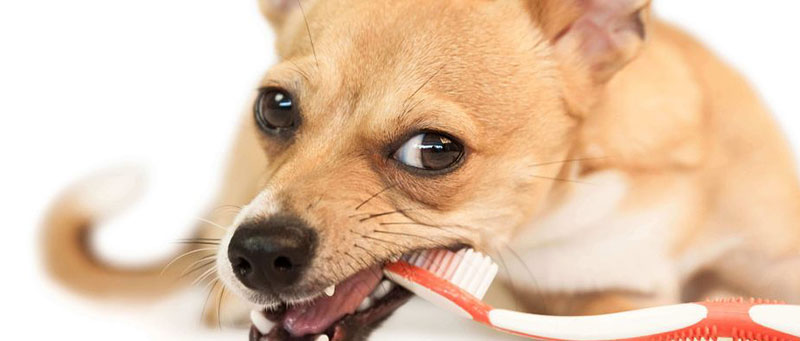
Choosing and Using the Right Toothbrush for a Dog is not easy
As a veterinary dental specialist with 15 years of experience, I’ve helped countless dog owners navigate the sometimes-tricky world of canine dental care. Finding the right toothbrush for a dog is crucial – it’s your first line of defense against periodontal disease, which affects over 80% of dogs by age three. Let me guide you through everything you need to know.
The Importance of Proper Dog Dental Care
Before we dive into toothbrushes, let’s understand why this matters. Just like humans, dogs need regular dental care to prevent:
- Periodontal disease
- Bad breath
- Tooth loss
- Systemic health issues (heart, kidney, and liver problems)
- Expensive dental procedures
Types of Dog Toothbrushes: A Comprehensive Guide
- Double-headed Brushes
- Best for: Medium to large breeds
- Pros: Cleans multiple surfaces at once, longer reach
- Cons: Can be intimidating for some dogs
- Recommended models: Virbac C.E.T. Dual-Ended, Petsmile Professional Pet Toothbrush
(Note: These recommendations are based on professional experience. Always consult with your vet for personalized advice.)
- Finger Brushes
- Best for: Small dogs, puppies, and dogs new to brushing
- Pros: Better control, less intimidating
- Cons: Less reach, not suitable for aggressive chewers
- Recommended models: Vetoquinol Enzadent, H&H Pets Finger Toothbrush
- Long-handled Brushes
- Best for: Large breeds, deep-set teeth
- Pros: Excellent reach, good grip
- Cons: Can be challenging for small mouths
- Recommended models: Pura Naturals Pet Toothbrush, Nylabone Advanced Oral Care
- 360-degree Brushes
- Best for: Dogs comfortable with brushing
- Pros: Efficient cleaning, reduces brushing time
- Cons: Higher cost, learning curve
- Recommended models: TRIXIE 360 Degree Toothbrush, Pet Republique 360 Brush
Choosing the Perfect Brush for Your Dog
Size Matters:
- Extra Small (under 10 lbs): Finger brush or small dual-ended
- Small (10-25 lbs): Small dual-ended or short-handled
- Medium (25-50 lbs): Medium dual-ended or long-handled
- Large (50+ lbs): Large dual-ended or long-handled with extended reach
Consider Your Dog’s Personality:
- Nervous dogs: Start with a finger brush
- Cooperative dogs: Any style suitable for their size
- Mouthy dogs: Avoid finger brushes, use long-handled options
- Strong chewers: Durable plastic brushes with reinforced necks
A Success Story: Teaching Reluctant Riley
One of my favorite success stories involves Riley, a skittish Golden Retriever who would bolt at the mere sight of a toothbrush. His owner Sarah was desperate for solutions. We started with just touching Riley’s face while giving treats, then introduced a soft finger brush. The key was patience and positive reinforcement.
After two weeks of gentle introduction, Riley began accepting the finger brush. By month two, we successfully transitioned to a double-headed brush. Today, Riley actually gets excited for his daily brushing routine! This transformation was possible because we:
- Started with the right tool (finger brush)
- Moved at Riley’s pace
- Used plenty of positive reinforcement
- Gradually upgraded to more effective tools
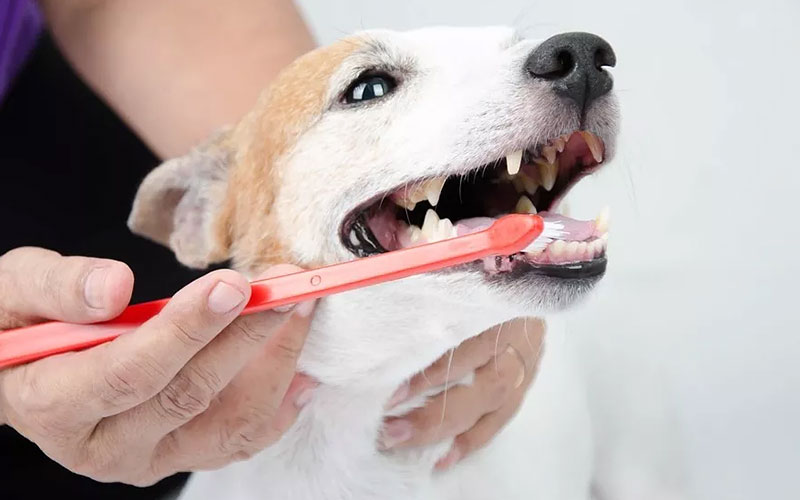
Learning how to brush dog teeth is essential, and choosing the right toothbrush for a dog can make the process easier and more effective
Complete Dental Care Routine
While choosing the right toothbrush is crucial, it’s just one part of a comprehensive dental care plan:
- Daily Brushing
- Use dog-specific toothpaste
- Brush at a 45-degree angle
- Focus on the gum line
- Keep sessions short and positive
- Dental Chews and Toys
- Choose VOHC-approved products
- Supervise chewing sessions
- Replace worn items regularly
- Professional Cleanings
- Schedule annual dental check-ups
- Get professional cleanings as recommended
- Address issues promptly
Common Brushing Mistakes to Avoid
- Using human toothbrushes or toothpaste
- Brushing too aggressively
- Rushing the introduction process
- Skipping inner tooth surfaces
- Inconsistent brushing schedule
- Using worn-out brushes
Expert Tips for Success
- Replace brushes every 3-4 months
- Store brushes upright to dry
- Have backup brushes ready
- Start brushing when your dog is tired
- Use water to moisten bristles
- Make it part of your daily routine
When to Seek Professional Help
(If your dog’s teeth are already in trouble and brushing alone won’t be enough, it might be time to seek professional help. While a Toothbrush for a dog can be a great tool for daily care, you can visit this page for expert dental cleanings to restore your pet’s oral health)
Consult your veterinarian if you notice:
- Excessive resistance to brushing
- Bleeding gums
- Bad breath
- Decreased appetite
- Visible tartar buildup
- Loose or discolored teeth
The Long-term Investment
Regular tooth brushing with the right tools can save thousands in dental procedures and add years to your dog’s life. The key is choosing appropriate tools, being consistent, and making it a positive experience for your furry friend.
Remember: The best toothbrush for a dog is the one they’ll actually let you use consistently. Start with something less intimidating if needed, and gradually work your way up to more efficient tools as your dog becomes comfortable with the process.