What Do Dogs Do When Home Alone? A Peek into Their Secret Lives
Ever wondered what your dog does when you’re not around? Do they nap quietly, anxiously wait by the door, or embark on mischievous adventures? The truth is, a dog’s behavior when left home alone says a lot about their personality and emotional needs. Let’s uncover the mystery and explore ways to keep your furry friend happy and secure while you’re away.
How Dogs Feel When Left Alone
Dogs are social animals by nature, and many experience separation anxiety when left alone. This can manifest in behaviors like whining, barking, pacing, or destructive chewing. However, some dogs are perfectly content to relax and nap until their favorite human returns. Understanding your dog’s specific needs is the first step to ensuring their emotional well-being.
What Do Dogs Do When Home Alone?
Depending on their personality, dogs engage in a range of activities while you’re out. Here are a few common behaviors:
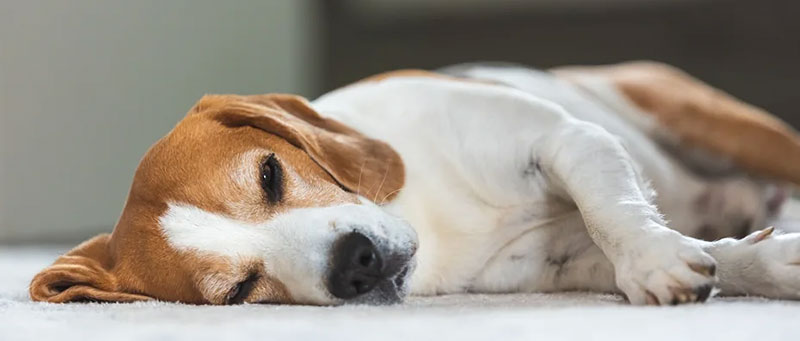
- Nap Time: Many dogs use the quiet hours to catch up on sleep, especially after a morning walk or play session.
- Exploring: Curious pups might wander around the house, sniffing out new scents or checking out forbidden zones.
- Watching the World: Dogs love observing their surroundings. A comfy perch by the window is their version of Netflix.
- Playing Solo: Interactive toys or puzzle feeders can keep their minds busy and reduce boredom.
Tips to Keep Your Dog Happy When Alone
Leaving your dog home alone doesn’t have to be stressful for either of you. Here are some tips to ensure they stay happy and entertained:
1. Create a Safe Space
Set up a cozy area with their bed, toys, and water. This gives them a sense of security and comfort.
2. Provide Mental Stimulation
Interactive toys, like treat-dispensing puzzles, keep their minds engaged and prevent boredom.
3. Exercise Before You Leave
A tired dog is a happy dog! A brisk walk or play session can help burn off energy, leaving them ready to relax.
4. Try a Pet Camera
Pet cameras allow you to check in on your dog and even talk to them. Some even dispense treats!
Signs Your Dog May Need Extra Support
If your dog exhibits signs of separation anxiety, like excessive barking, destructive chewing, or potty accidents, consider consulting a veterinarian or trainer. They can help create a plan to reduce stress and improve your dog’s confidence when alone.
Conclusion
Understanding what your dog does when home alone can help you meet their needs and enhance their happiness. With a bit of planning, you can create an environment that keeps them safe, entertained, and stress-free. After all, nothing beats the wagging tail and excited kisses that greet you when you return!