
Why Do Dogs Drool? Causes, Effects, and Breed Differences
Have you ever wondered why dogs drool so much? Maybe your furry friend leaves puddles of slobber at the sight of food, or perhaps you’ve noticed they drool more on hot days. Drooling is a natural part of being a dog, but **why do dogs drool** so much, and what does it mean? In this article, we’ll explore the causes, health implications, and breed differences related to dog drooling, helping you better understand your pup.
Understanding Why Dogs Drool: The Causes
Dogs drool for several biological and psychological reasons. On a biological level, saliva plays a crucial role in aiding digestion and cooling. When dogs pant, saliva evaporates to help regulate their body temperature. This is why **why dogs drool** more after exercising or during hot weather. Additionally, a dog’s saliva contains enzymes that break down food and protect their teeth and gums.
Psychological factors also influence drooling. When dogs see or smell something delicious, they drool as a reflexive response—a sign their appetite has been triggered. Similarly, emotions like excitement or anxiety can lead to increased salivation. Whether it’s a wagging tail or a nervous whimper, drooling often accompanies a dog’s emotional state.
Effects of Drooling on Health
Drooling isn’t just about slobber—it can also signal important aspects of a dog’s health. While normal drooling helps with digestion and cooling, excessive drooling might indicate issues like dental disease, gum inflammation, or even digestive problems. If you notice changes in your dog’s drooling patterns, such as increased saliva or a strange smell, it’s time to consult a veterinarian.
Excessive drooling can also lead to practical challenges. Wet fur around the mouth can cause skin irritation, and saliva stains on furniture may require frequent cleaning. By understanding **the effects of dog drooling**, owners can take better care of their furry companions.
Breeds That Drool the Most (and the Least)
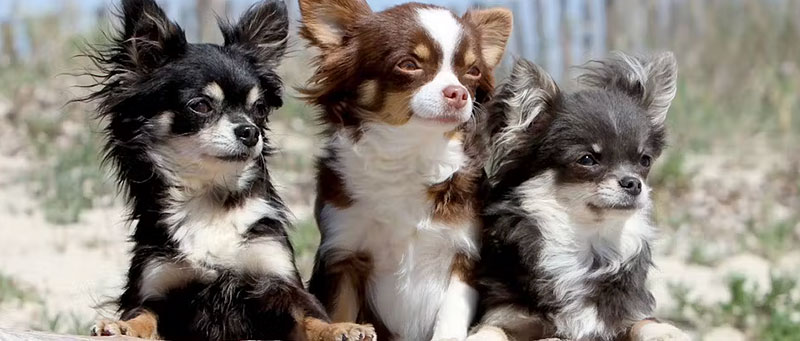
Have you ever noticed that some breeds seem to drool more than others? The answer often lies in their anatomy. Breeds with loose jowls, such as Saint Bernards and Mastiffs, are natural droolers because their facial structure allows saliva to collect and escape easily. On the other hand, tighter-lipped breeds like Poodles or Chihuahuas produce less visible drool.
Top 5 Drooly Breeds
- Saint Bernard: Known for their massive size and even larger drool output, Saint Bernards are among the top droolers. Their loose lips and wrinkled faces make it impossible to contain their slobber.
- Tibetan Mastiff: These majestic dogs are heavy droolers, especially after eating or exercising, thanks to their prominent lips and large mouths.
- Boxer: With a short upper jaw and long lower jaw, Boxers are not only playful but also notoriously slobbery.
- Newfoundland: These gentle giants often leave trails of drool, especially in warm weather or after a hearty meal.
- Dalmatian: Their wide jaws and active nature make Dalmatians surprisingly drooly, despite their sleek appearance.
Top 5 Dry-Mouthed Breeds
- Pomeranian: Their small mouths and tight lips make these fluffy companions among the least likely to drool.
- Shiba Inu: With a naturally dry mouth, Shiba Inus are ideal for owners who prefer minimal slobber.
- Chihuahua: The world’s smallest dog breed is also one of the driest, making them low-maintenance when it comes to drool.
- Pug: While they may snore and snort, Pugs are relatively low droolers thanks to their compact mouths.
- Shih Tzu: These elegant dogs are not only stylish but also keep their saliva in check, making them a neat addition to any family.
Managing Drooling in Dogs
For owners of drooly breeds, keeping a cloth handy is a lifesaver. Regular grooming around the mouth and ensuring proper hydration can also help manage drooling. If you notice excessive drooling alongside other symptoms, such as loss of appetite or lethargy, consult a vet to rule out underlying health problems.
Understanding **why dogs drool** and recognizing the signs of abnormal drooling can help you keep your pet happy and healthy. Drooling may be messy, but it’s also a reminder of your dog’s unique quirks and loveable nature.