
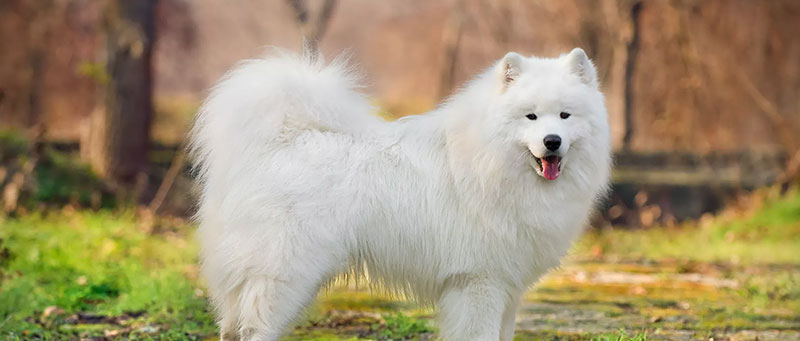
Samoyed Dogs: The Smiling Angels or Mischievous Devils? A Complete Care Guide
The Samoyed, often called the “Smiling Angel,” is a stunning dog breed known for its fluffy white coat, expressive dark eyes, and perpetual smile. Originally bred by the Samoyed people of Siberia, these dogs were loyal companions, excelling at sled pulling, reindeer herding, and even polar exploration. Today, Samoyeds are cherished family pets and show dogs.
However, owning a Samoyed is not without its challenges. To ensure a happy and healthy life for your Samoyed, you need to understand their personality traits, common issues, and proper care practices. If you’re considering bringing one of these charming dogs into your home or already have one, this guide will help you navigate the joys and trials of Samoyed ownership.
Key Personality Traits of Samoyed Dogs
Samoyeds are known for their unique and multifaceted personalities. While every Samoyed has its quirks, they share several common traits that owners should understand:
1. Friendly and Gentle
Samoyeds are incredibly friendly and gentle, making them great companions for families, other pets, and even strangers. Their signature smile reflects their happy and trusting nature, and they adapt well to various environments and lifestyles.
2. High Energy
These dogs are bursting with energy and curiosity. They require daily exercise and mental stimulation to prevent boredom or destructive behavior. Samoyeds love to explore and may chase small animals or moving objects, displaying their hunting instincts.
3. Independent Yet Stubborn
Samoyeds are independent thinkers who sometimes exhibit stubbornness. While they’re intelligent and capable of learning commands, they may resist if not properly motivated.
4. Intelligent and Trainable
Samoyeds are highly intelligent and enjoy learning new tasks. They respond well to positive reinforcement and thrive when challenged with problem-solving activities.
5. Clean and Odorless
Known for their love of cleanliness, Samoyeds rarely develop body or mouth odor. Their self-grooming habits and weather-resistant coats make them relatively low-maintenance in terms of hygiene, though regular brushing and bathing are still necessary.
Common Behavioral Issues in Samoyeds
While Samoyeds are lovable and charming, they can exhibit behavioral problems if not properly cared for. Here’s what to watch out for:
1. Destructive Chewing
Without sufficient exercise or stimulation, Samoyeds may resort to chewing furniture, clothing, or other household items. Provide chew toys and engage them in interactive play to redirect this behavior.
2. Excessive Barking
Samoyeds use their voices to communicate emotions, needs, or warnings. Training them to bark appropriately can help minimize noise-related issues.
3. Escape Artists
These adventurous dogs may attempt to escape through doors, windows, or fences in pursuit of exciting sights or scents. Secure your home and teach them reliable recall commands.
4. Overfriendliness
While their friendly nature is endearing, Samoyeds can sometimes be overly trusting, which might lead them to approach potentially harmful situations. Socialize them early and teach boundaries.
Essential Samoyed Care Tips
Caring for a Samoyed requires dedication and effort. Here are some key areas to focus on:
1. Diet
Provide high-quality, protein-rich dog food with balanced fats, vitamins, and minerals. Avoid harmful foods like chocolate, onions, grapes, and bones. Monitor portions to prevent obesity.
2. Exercise
Samoyeds need daily physical activity, such as walks, playtime, or agility training. Mental challenges like puzzles can keep their sharp minds engaged.
3. Grooming
Regular brushing is essential to prevent matting and manage shedding. Clean their ears, trim nails, and brush teeth routinely to maintain overall hygiene.
4. Training
Start training early with positive reinforcement techniques. Teach basic commands and reward good behavior to build trust and confidence.
5. Socialization
Expose them to various people, pets, and environments to encourage adaptability and reduce anxiety or aggression.
6. Safety
Protect your Samoyed with a secure leash, harness, or microchip. Avoid exposing them to toxic substances or hazardous environments.
Samoyed Health Issues and Prevention
Though generally healthy, Samoyeds are prone to certain conditions:
- Allergies: Skin irritations caused by environmental or dietary factors. Use hypoallergenic products and monitor their diet.
- Hip Dysplasia: A hereditary condition leading to joint pain. Prevent overexertion and maintain a healthy weight.
- Eye Problems: Conditions like cataracts or glaucoma. Regular check-ups can catch issues early.
- Dental Issues: Crowded teeth may lead to tartar buildup or gum disease. Provide dental chews and regular brushing.
Annual veterinary visits and proactive care can significantly improve their quality of life.
Conclusion
Samoyeds are loyal, intelligent, and endearingly unique dogs. While they require effort and patience, their charm and affection make them well worth the investment. With proper care, training, and love, your Samoyed will reward you with endless smiles and unforgettable moments.