Why Do Corgis Have Short Tails? Unveiling the Mystery
Corgis are a beloved breed known for their short legs, long bodies, expressive faces, and most notably, their stubby tails—or sometimes, the lack of one altogether. But did you know that Corgis are actually born with tails? Human intervention has played a significant role in their tail appearance. Why are Corgis’ tails docked? What makes tailed Corgis different? Let’s unravel the history and traits behind the iconic Corgi tail.
Why Are Corgis’ Tails Docked?
The tradition of docking Corgis’ tails has historical roots. Corgis originated in Wales, where they were bred as herding dogs to manage cattle and sheep. Their tails, however, posed certain challenges during their work, such as:
- Revealing their emotions: When Corgis felt scared or unsure, they would tuck their tails between their legs. This could signal weakness to livestock, undermining their ability to control the herd.
- Injury risks: While moving among livestock, their tails were prone to being stepped on or bitten, leading to wounds or infections that could hinder their ability to work effectively.
- Hygiene concerns: With their short legs and long tails, Corgis’ tails could easily drag on the ground, collecting dirt, feces, or other contaminants. This increased the risk of bacterial infections and skin issues.
To address these issues, tail docking became a common practice. The procedure is usually performed on Corgi puppies within the first 3–5 days of life. Using a tight rubber band or similar method, the blood supply to the tail is cut off, causing it to fall off naturally or be removed manually. This method is considered relatively painless for young pups, as their nerves are not fully developed.
What Makes Tailed Corgis Different?
Over time, Corgis’ roles have shifted from herding livestock to being cherished pets. As a result, many people now oppose tail docking, viewing it as unnecessary and inhumane. Here’s how tailed Corgis differ from their docked counterparts:
- Better emotional expression: Dogs use their tails to communicate emotions such as happiness, fear, or submission. Tailed Corgis can more easily convey their feelings to humans and other animals, fostering stronger relationships and trust.
- Improved balance: A tail helps dogs maintain balance during activities like running, jumping, turning, or swimming. Tailed Corgis may perform these actions more gracefully and with reduced risk of injury.
- Natural pest control: Dogs use their tails to swat away flies, mosquitoes, and other pests. A tailed Corgi can better protect itself from insect bites and the diseases they might carry.
- Enhanced scent distribution: Tails also help spread a dog’s scent, which can be useful during mating or territorial marking. Tailed Corgis might find it easier to attract mates or establish boundaries with other dogs.
Types of Corgi Tails
Not all Corgis have docked tails, nor are all tails naturally short. Depending on genetics and human intervention, Corgi tails come in various forms:
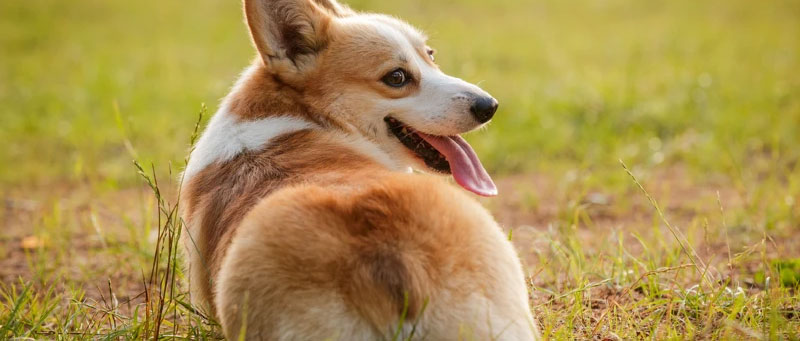
- Docked tails: The most common type, created by humans through docking. These Corgis have little to no visible tail, leaving a round, fluffy rear. This tradition stems from their herding background but has become less necessary in modern times.
- Short tails: A natural variation caused by a genetic mutation. These Corgis are born with tails that are only a few centimeters long, sometimes forming a slight curve or hook shape. This is a natural, harmless trait that doesn’t affect their health or aesthetics.
- Long tails: Some Corgis retain their original tail length, which can grow up to 20–30 cm. These tails may be straight or curled and showcase the breed’s full natural beauty and functionality.
Conclusion
The Corgi tail is a fascinating topic that reflects the breed’s history and the evolving relationship between humans and dogs. Whether docked, short, or long, Corgis remain one of the most lovable and cherished breeds, deserving of our care and respect.