8 Incredible Dog Sleep Facts Every Pet Owner Must Know
Ever wondered what your dog is dreaming about or why they snooze so much? Understanding your pup’s sleep is essential for their health and happiness. From quirky habits to fascinating behaviors, here are 8 incredible dog sleep facts that will help you better care for your furry friend!
Dog Sleep Facts: How Much Do They Really Need?
Dogs typically need at least 12 hours of sleep a day to stay healthy. Puppies and senior dogs, however, require even more rest—up to 18–20 hours daily. Factors like breed, size, activity level, and age play a significant role in how much your pup snoozes. So, don’t be alarmed if your dog seems to nap constantly—it’s just their natural rhythm!
What Makes a Dog’s Sleep Cycle Unique?
Unlike humans, who sleep in long stretches, dogs sleep in short cycles averaging 45 minutes. Most of their rest is light sleep, but they occasionally enter deep sleep, where they recharge and even dream. These cycles allow dogs to stay alert to their surroundings, ensuring they’re ready for action when needed.
Dog Sleep Facts: How Do They Pick Their Sleeping Spot?
Dogs are picky about their sleeping spots, and their choices reveal a lot about their personalities. Some prefer curling up close to their humans, while others seek out quiet, cozy corners for solitude. Pay attention to your dog’s preferences, and provide a range of comfortable options like soft beds, blankets, or pillows to suit their needs.
What Do Different Dog Sleeping Positions Mean?
Your dog’s sleeping position says a lot about their mood and comfort:
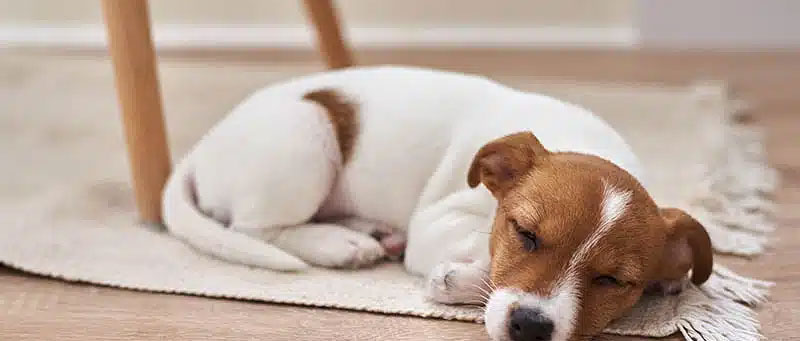
- Curled up: A protective pose that conserves body heat—common in shy or cautious dogs.
- Side sleeper: A relaxed position showing trust and comfort in their environment.
- On their back: The ultimate sign of relaxation and security; these dogs feel completely safe.
- Belly down: A ready-for-action pose often seen in energetic or alert pups.
Dog Sleep Facts: Do Dogs Dream?
Yes, dogs dream! During the REM phase of sleep, their brains process memories and create dreams. You might notice your dog twitching, barking softly, or even “running” in their sleep—signs they’re dreaming of chasing squirrels or playing with toys. Let them rest undisturbed to enjoy their dream adventures!
Why Do Dogs Snore?
Dogs snore for several reasons, including:
- Sleep position: Awkward angles can obstruct their airways.
- Breed: Flat-faced breeds like Bulldogs are more prone to snoring.
- Weight issues: Excess weight can narrow their airways.
- Allergies: Irritated airways from allergens can also lead to snoring.
If your dog’s snoring is excessive or sudden, consult your vet to rule out health issues.
Can Dogs Suffer from Insomnia?
While rare, dogs can experience insomnia due to stress, pain, or environmental changes. Common triggers include:
- New surroundings: Adjustments to a new home or routine can cause restlessness.
- Health problems: Pain or discomfort can prevent restful sleep.
- Emotional stress: Anxiety or loneliness may keep your dog awake.
To help your dog sleep better, create a calm, consistent environment and address any health concerns promptly.
Why Do Dogs Nap During the Day?
Napping helps dogs recover from interrupted sleep or extra activity. If your dog naps frequently, ensure their sleep environment is comfortable and free from disturbances. Excessive daytime sleepiness, however, might signal an underlying issue, so stay vigilant.
Understanding your dog’s sleep habits not only strengthens your bond but also ensures they live a healthier, happier life. Give your pup the rest they deserve—and enjoy the many adorable moments along the way!