Dog Food tips: 14 Must-Know Tips for Every Dog Owner
Do you have a furry friend who brings endless joy and warmth to your life? As a caring dog owner, you undoubtedly want the best for your pup, ensuring they grow up healthy and happy. To achieve this, understanding dog food tips is a must. Here’s a comprehensive guide with 14 crucial dog food tips to help you make the best choices for your canine companion and avoid common mistakes and dangers.
1. Understanding Your Dog’s Nutritional Needs
Dogs have unique nutritional requirements compared to humans. They need specific nutrients like amino acids, fatty acids, carbohydrates, vitamins, minerals, and water. High-quality dog food should primarily consist of meat, complemented by fruits, vegetables, and grains. Check the nutritional analysis on food labels to select the best diet for your pup.
2. How Much to Feed Your Dog
Your dog’s food intake depends on factors such as size, breed, age, activity level, and health. On average, dogs need about 30 calories per kilogram of body weight daily. Monitor your dog’s weight and appetite to adjust portions accordingly and avoid overfeeding or underfeeding, which could lead to obesity or malnutrition.
3. The Importance of Water
Water is vital for your dog’s health. Dogs require 50-100 milliliters of water per kilogram of body weight daily. Provide fresh, clean water in an easily accessible spot and encourage hydration, especially after meals or exercise. Avoid giving sugary or alcoholic beverages, which can harm their digestive system.
4. Food Allergies in Dogs
Some dogs may have food allergies caused by proteins in certain ingredients like beef, chicken, dairy, wheat, or soy. Symptoms include itching, redness, vomiting, or diarrhea. If you notice these signs, consult your vet to identify allergens and switch to hypoallergenic food if needed.
5. Preventing Food Poisoning
Dogs can get food poisoning from toxic foods or contaminated meals. Harmful foods include chocolate, grapes, onions, garlic, and spoiled items. Store food properly and never feed your dog these substances. If you suspect poisoning, contact your vet immediately with details about the food ingested.
6. Switching Your Dog’s Food
As dogs age, their dietary needs change. Puppies require high-protein, high-energy diets, while adult dogs need balanced maintenance diets, and senior dogs benefit from low-fat, low-calorie options. When transitioning foods, mix old and new food gradually to prevent digestive upset.
7. Treats in Moderation
Dog treats are excellent for training and rewarding good behavior but should only make up about 10% of their daily caloric intake. Choose healthy, natural treats like jerky, dried fruits, or biscuits. Avoid treats high in sugar, salt, or preservatives.
8. Vegetarian Diets for Dogs
While dogs can thrive on a vegetarian diet, it requires careful planning to meet their nutritional needs, including supplements for taurine, L-carnitine, and vitamin B12. Consult a vet before switching to vegetarian food and monitor your dog’s health closely.
9. Human Food for Dogs
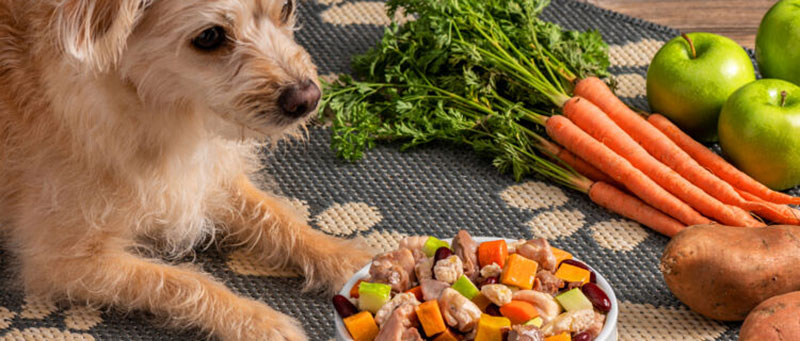
Sharing your meals with your dog can be harmful. Foods like chocolate, grapes, and onions are toxic, while others, such as bread or cake, can be hard to digest. Stick to dog-friendly human foods like cooked chicken, carrots, or apples as occasional treats.
10. Proper Food Storage
Store dog food to prevent spoilage and contamination. Keep dry food in a cool, dry place using airtight containers, and refrigerate wet or raw food. Check for signs of mold, discoloration, or foul odors and discard expired or spoiled food promptly.
11. Choosing the Right Brand
Select a brand that meets your dog’s age, size, and health needs. Compare ingredients, nutritional information, and reviews. Consult your vet or use trusted resources for recommendations, and observe your dog’s response to new foods.
12. Homemade Dog Food
Homemade dog food allows you to customize meals but requires careful planning to ensure nutritional balance. Use fresh, safe ingredients and supplement with essential nutrients. Combine homemade meals with commercial food for a well-rounded diet.
13. Understanding Food Additives
Some additives, like vitamins and antioxidants, benefit dogs, while others, like artificial colors or flavors, can cause allergies. Opt for natural or organic foods with minimal additives to support your dog’s health.
14. General Feeding Guidelines
Follow these basic rules for feeding your dog:
- Avoid sudden diet changes to prevent stomach upset.
- Feed appropriate portions to prevent obesity or malnutrition.
- Keep toxic foods away from your dog.
- Provide meals in a stress-free environment.
- Don’t allow overeating or fast eating to avoid choking or bloating.
Conclusion
Feeding your dog the right food in the right way is the cornerstone of their health and happiness. With these 14 tips, you can provide nutritious meals, avoid common pitfalls, and enjoy a joyful life with your furry friend.