Everything About Poodles: Origins, Traits, and Care Tips
Poodles are one of the most versatile and beloved dog breeds in the world. Known for their intelligence, elegance, and affectionate nature, these dogs have captured the hearts of dog lovers everywhere. But where did Poodles come from? What makes them so unique? In this article, we’ll explore the origins, types, personality traits, and care tips for Poodles, helping you better understand and care for this extraordinary breed.
The Origins of Poodles
The origins of Poodles are widely debated. Some believe they hail from Germany, while others claim France as their homeland. Most canine experts agree that Poodles were originally bred as water retrievers, assisting hunters in retrieving waterfowl. The breed’s name reflects its aquatic prowess: the English word “Poodle” derives from the German “Pudel,” meaning “to splash,” while the French “Caniche” translates to “duck dog.”
Beyond their hunting skills, Poodles have a storied history as circus performers. Their intelligence and agility made them natural entertainers, performing tricks like tightrope walking, comedy routines, and magic acts. In addition, their refined appearance and noble demeanor endeared them to European aristocrats, making them a symbol of elegance and status.
Types and Coat Colors of Poodles
Poodles are classified based on size and coat color. According to the American Kennel Club (AKC), there are three main sizes:
1. Standard Poodle
The largest type, Standard Poodles are closest to their water-retrieving ancestors. They stand over 15 inches tall at the shoulder and weigh between 45 and 70 pounds (20.4–29.5 kg).
2. Miniature Poodle
Smaller in stature, Miniature Poodles stand 10 to 15 inches tall and weigh between 12 and 20 pounds (5.4–8.1 kg).
3. Toy Poodle
The smallest type, Toy Poodles are under 10 inches tall and weigh just 4 to 8 pounds (1.8–3.6 kg).
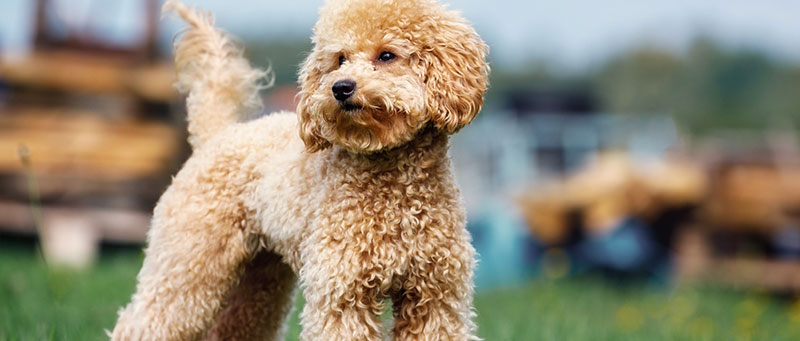
Poodle coats come in a stunning array of colors. The British Kennel Club recognizes eight standard colors: apricot, black, blue, brown, cream, red, silver, and white. Among these, black, white, and red Poodles are especially popular. Beyond these, Poodles boast numerous other shades and patterns, offering dog lovers an abundance of options.
Poodle Personality Traits: Pros and Cons
Poodles are renowned for their intelligence and friendly nature, but they also have unique characteristics and challenges. Here’s what you need to know:
Pros:
- Intelligent: Poodles rank among the smartest dog breeds, quickly learning commands, tricks, and problem-solving tasks. They thrive on mental stimulation and enjoy activities that challenge their intellect.
- Friendly: These dogs are affectionate and adaptable, getting along well with children, seniors, and other pets. Their even temperaments make them ideal family companions or working partners.
- Beautiful: With their luxurious coats and elegant postures, Poodles are undeniably eye-catching. Their coats can be styled in various ways, from the classic “lion cut” to the playful “teddy bear cut.”
Cons:
- High Maintenance: Poodles require regular grooming to keep their coats tangle-free and hygienic. This can be time-consuming and costly, especially if professional grooming services are needed.
- Health Risks: Poodles are prone to hereditary conditions like hip dysplasia, patellar luxation, cataracts, and Addison’s disease. Regular vet visits and preventive care are essential to maintaining their health.
- Demanding Attention: Poodles crave attention and companionship. Without sufficient interaction, they may develop separation anxiety or engage in destructive behaviors.
How Much Do Poodles Cost?
The price of a Poodle varies depending on size, coat color, lineage, and age. Generally, smaller Poodles like Toy Poodles and rarer colors like red command higher prices. On average, Poodles cost between NT$10,000 and NT$100,000. If you’re looking to adopt, animal shelters and rescue organizations offer a cost-effective and compassionate alternative.
The Lifespan of Poodles
Poodles are a long-lived breed, averaging 12 to 15 years, with some living beyond 18 years. To ensure your Poodle enjoys a long, healthy life, focus on:
- Choosing a Healthy Pup: Buy from reputable breeders who conduct health screenings and provide necessary certifications.
- Providing a Balanced Diet: Feed high-quality dog food rich in protein, vitamins, and minerals. Avoid harmful foods like chocolate, grapes, and onions.
- Ensuring Regular Exercise: Daily walks and playtime keep Poodles physically and mentally fit.
- Prioritizing Grooming: Routine grooming prevents skin issues and keeps their coats pristine.
- Scheduling Vet Check-Ups: Regular health check-ups help detect and address potential issues early.
Common Poodle Health Issues
While Poodles are generally healthy, they are susceptible to certain hereditary conditions, including:
- Cataracts: Cloudy lenses impair vision and may require surgery.
- Hip Dysplasia: A joint disorder causing pain and mobility issues, often managed with medication or surgery.
- Addison’s Disease: A hormonal imbalance affecting energy and appetite, requiring lifelong medication.
- Patellar Luxation: Dislocated kneecaps causing discomfort or lameness.
- Progressive Retinal Atrophy: A genetic condition leading to gradual vision loss.
Proactive care and regular vet visits can mitigate these risks, ensuring your Poodle leads a healthy, happy life.
Top 6 Tips for Poodle Care
- Provide ample attention and companionship to prevent loneliness or anxiety.
- Groom regularly to maintain their coats and prevent matting.
- Incorporate daily exercise to keep them physically and mentally stimulated.
- Feed a nutritious diet tailored to their size and energy levels.
- Stay up-to-date on vaccinations and parasite control.
- Focus on socialization and training to encourage positive behaviors.
With proper care and love, Poodles can thrive as loyal, intelligent, and elegant companions for years to come.