Can dogs eat banana nut bread?You need to be extremely careful.
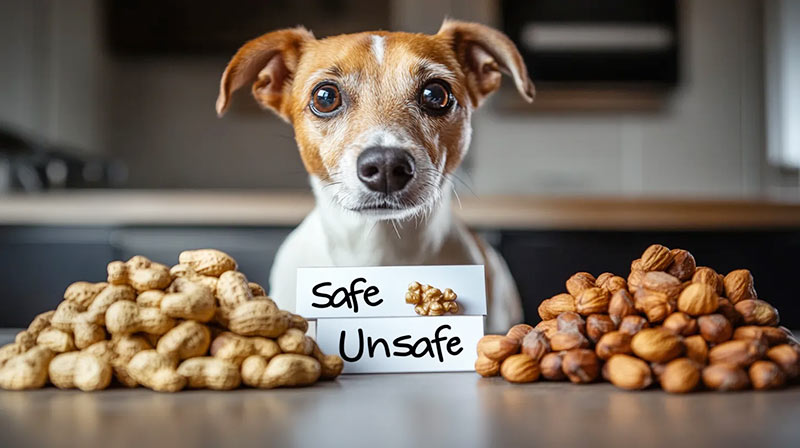
Bananas are rich in various vitamins, minerals, and fiber, which are beneficial to a dog’s health. Especially for dogs suffering from constipation, bananas can be helpful, as the natural sugars in bananas promote bowel movement and effectively relieve constipation. Bread made with bananas is also safe for dogs to eat, but if the banana bread contains nuts, you must be careful. Please check the ingredient list for any of the following types of nuts that dogs should avoid.
Macadamia nuts
Macadamia nuts are one of the nuts that dogs should not eat. While harmless to humans, these nuts can cause a range of digestive symptoms in dogs, such as nausea and vomiting. Additionally, macadamia nuts are high in fat, which may lead to stomach discomfort and even pancreatitis in dogs. More seriously, they contain high levels of phosphorus, which is harmful to a dog’s kidneys and may cause weakness, muscle tremors, and even kidney stones. Therefore, to ensure your dog’s health, it is important to avoid feeding them macadamia nuts.
Almonds
Almonds are one of the nuts that dogs should avoid. Firstly, almonds are high in oil and fat, which are not easily digestible by a dog’s digestive system and may lead to stomach discomfort and gastrointestinal issues. Additionally, almonds contain a considerable amount of cholesterol, and excessive intake may have negative effects on a dog’s health. More seriously, due to the hardness of almonds, overconsumption can lead to problems like kidney stones. Therefore, for the sake of your dog’s health, it’s best to avoid feeding them almonds.
Avocado
Although avocados are rich in various vitamins and proteins, they are toxic to dogs. The flesh contains persin, which dogs cannot metabolize, potentially leading to breathing difficulties, heart muscle damage, and fluid accumulation in the chest. Additionally, the pit and tree of the avocado are also toxic, and ingestion may result in fluid buildup in the chest, abdominal cavity, and around the heart. Although some believe that avocado oil is beneficial for dogs, overall, avocados should not be given to dogs.
Grapes
Grapes are highly dangerous to dogs and can cause acute kidney failure or even death. Both grapes and raisins contain toxins harmful to dogs, and the potential risk is the same regardless of whether they are red or green grapes. After ingesting grapes, dogs may experience symptoms such as vomiting, diarrhea, dehydration, and lethargy. Even a small handful of grapes can damage a dog’s kidneys, and in severe cases, it can lead to kidney failure and death. Therefore, owners should avoid feeding grapes to their dogs to ensure their pet’s health.
Chocolate
Chocolate is absolutely not suitable for dogs because it contains caffeine and theobromine, which can lead to poisoning. After consuming chocolate, dogs may experience symptoms such as excessive drooling, frequent urination, dilated pupils, rapid heartbeat, vomiting, diarrhea, extreme excitement, hyperactivity, muscle tremors, and in severe cases, coma or death. These toxic substances affect the dog’s central nervous system and cardiac tissues, but dogs lack the ability to metabolize these substances. Therefore, an intake of more than 40-45 mg/kg can be life-threatening for dogs.
Pecans
Pecans are a type of large nut that should not be fed to dogs. Although pecans can make a dog’s coat shinier, they are difficult to digest, and excessive consumption can even lead to seizures. The danger of pecans is particularly high because fungi can grow on damp pecans, causing severe reactions in dogs, such as vomiting, tremors, and jaundice. Due to the high phosphorus content in pecans, they may also cause bladder stones in dogs. Therefore, for the sake of your dog’s health, pecans should be avoided.
Hazelnuts
Hazelnuts are not toxic to dogs, but eating whole nuts may pose a choking hazard or risk of intestinal blockage, especially for small dogs. Additionally, many dogs may experience allergic reactions and digestive issues after eating hazelnuts, which in severe cases can lead to acute pancreatitis. This risk is even greater for puppies, as their digestive systems are more delicate, making them prone to indigestion or getting the nuts lodged in their esophagus. Therefore, to ensure your dog’s health, it is best to avoid feeding them hazelnuts.
Cashews
Cashews can be given to dogs as an occasional treat, but overconsumption may lead to stomach pain. Additionally, raw cashews contain toxins that are harmful to dogs and must be treated at high temperatures to eliminate these toxins. Cashews can also contribute to obesity, kidney stones, and even liver toxicity, which can be fatal. Therefore, it is crucial to be cautious when feeding cashews to dogs, ensuring they are properly roasted and given in moderation.
If you find any of the above ingredients in the banana nut bread’s ingredient list, you should not give it to your dog. If the bread does not have an ingredient list or you are unsure of the types of nuts used, please do not feed it to your dog. Remember, they are very fragile.